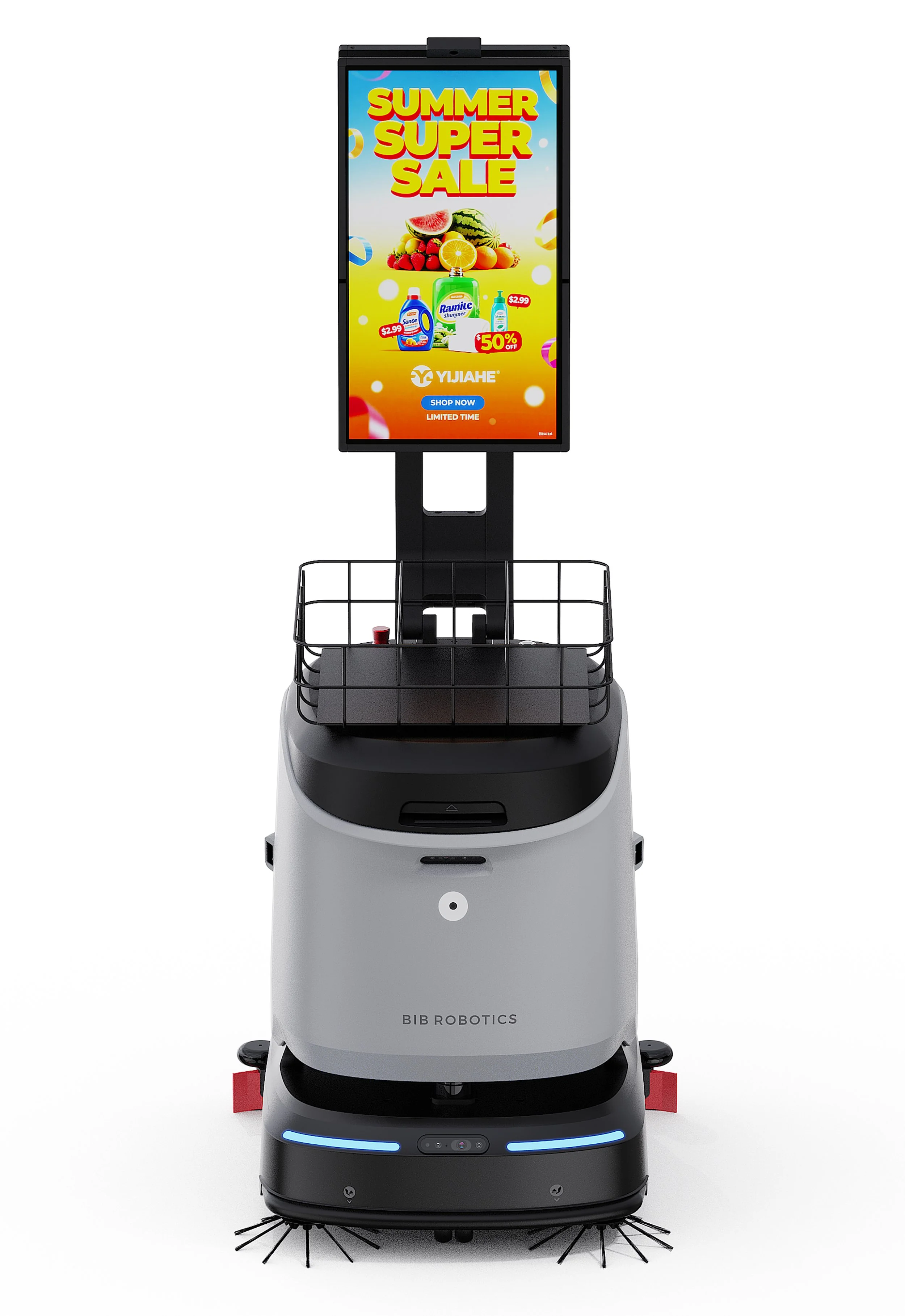
The J36 sets new standards in professional floor cleaning
14.04.2026 - More efficiency, lower costs. Labor shortages, rising hygiene expectations and increasing liability risks are putting pressure on retailers. The J36 cleaning robot provides a purpose-built autonomous solution, delivering high efficiency, minimal manual effort and clearly measurable economic benefits. AI-powered automation, consistent cleaning quality and measurable ROI for multi-site retail operations
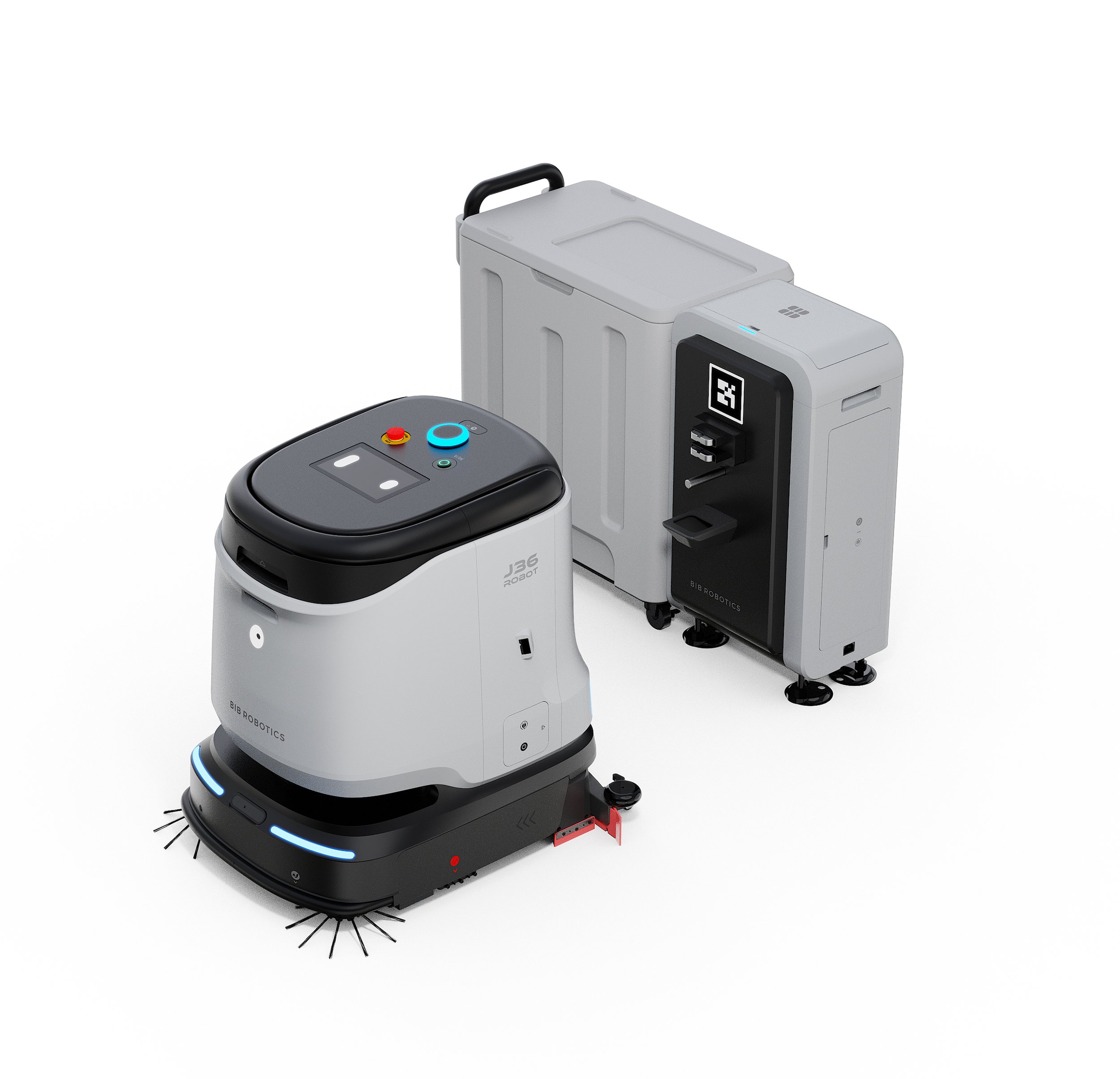
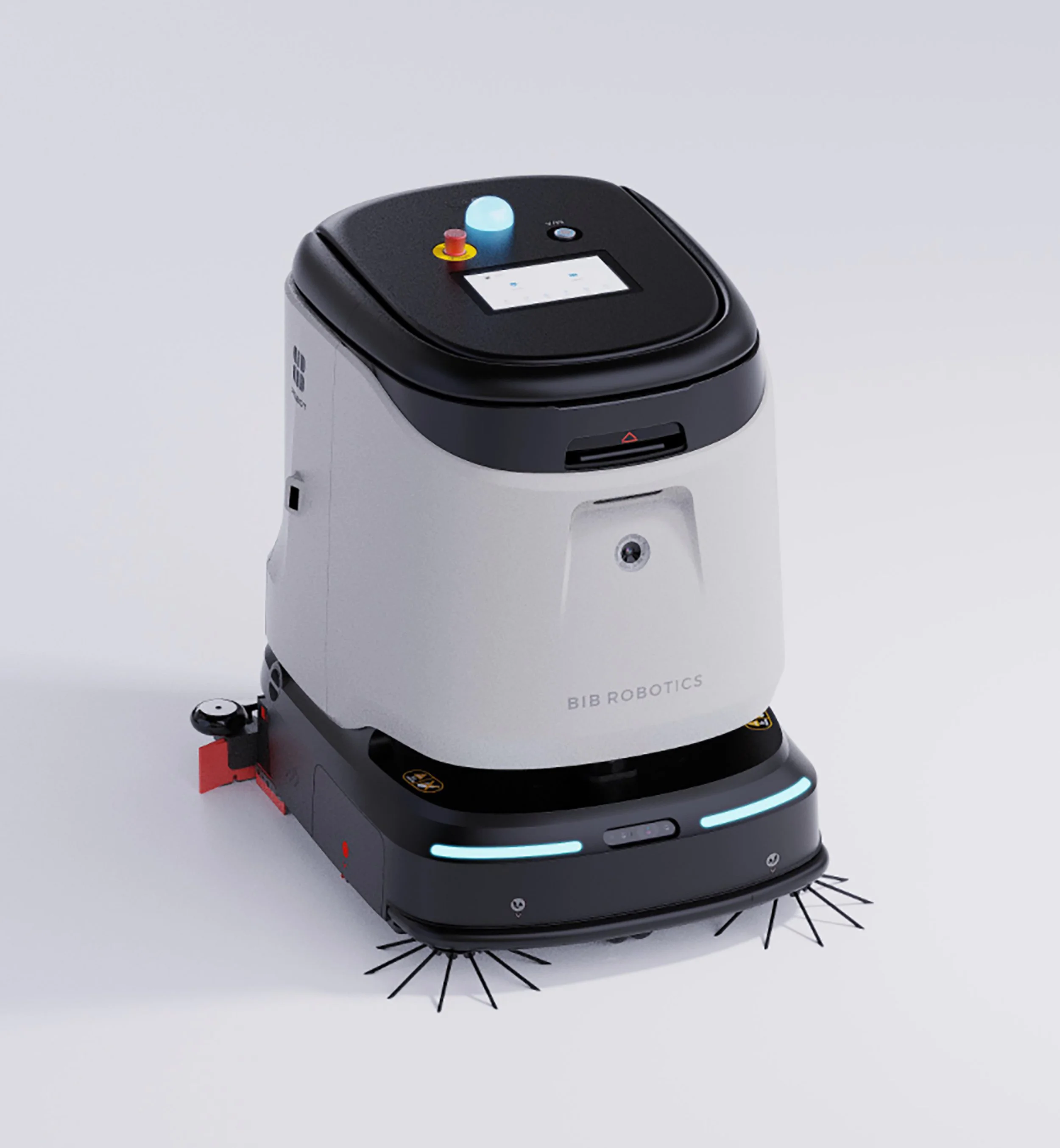
The J36 cleaning robot has been specifically developed for these conditions in retail and hospitality environments. Its system follows a principle of vertical specialization: both hardware and cleaning technology are optimized for real-world store operations, avoiding performance losses caused by over-engineered, multi-purpose systems.
Reliability is a key focus. With a target MTBF of over 30 days, the J36 is designed for continuous operation on the shop floor. Combined with a self-cleaning docking station, it enables up to three days of unattended operation, significantly reducing manual intervention.
Cleaning performance is engineered for real-world efficiency. With a sweeping width of 592 mm, a scrubbing width of 400 mm and a cleaning capacity of up to 1,600 m² per hour, the J36 covers large areas quickly and reliably, taking into account navigation, turning and refilling cycles.
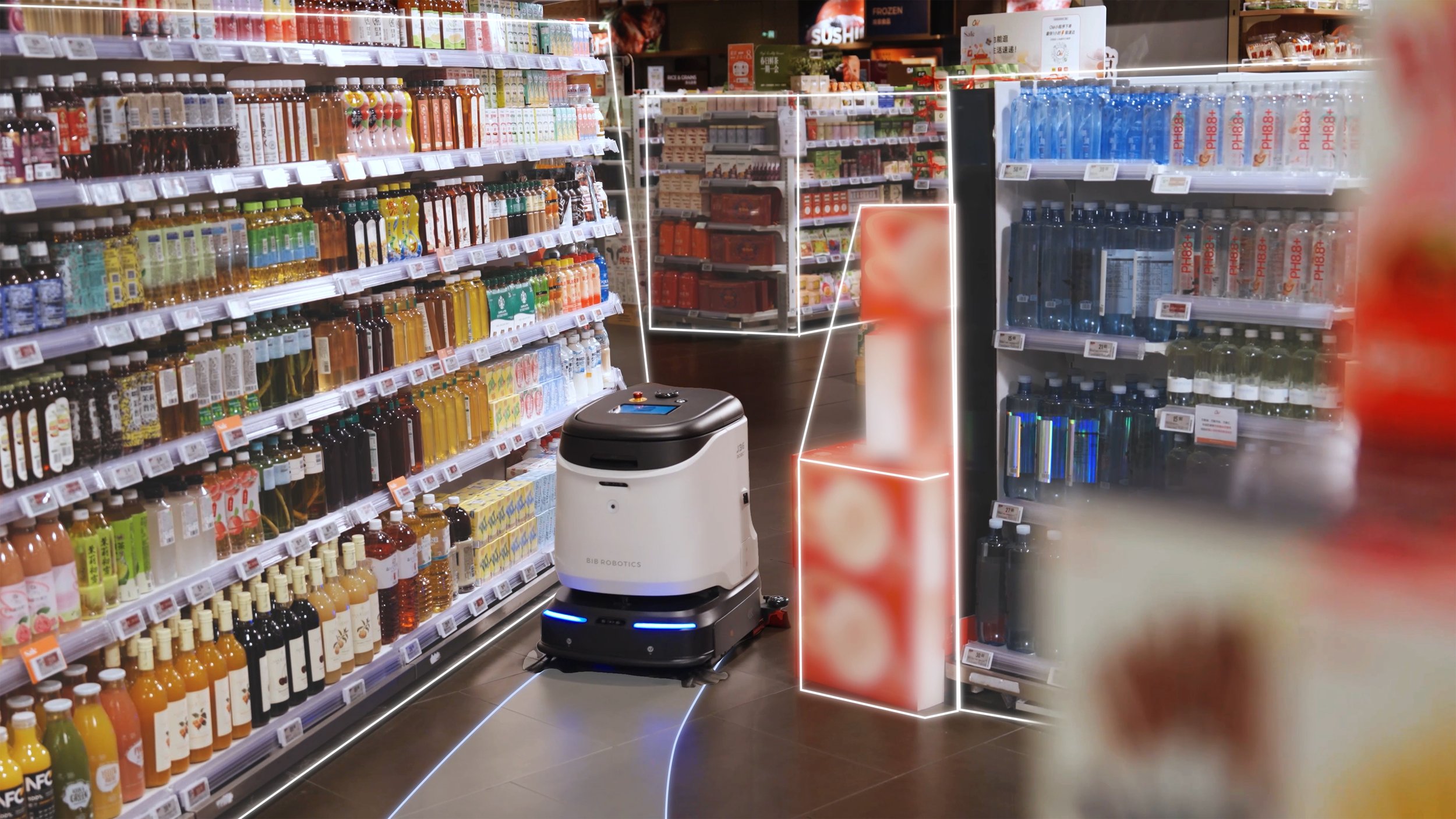
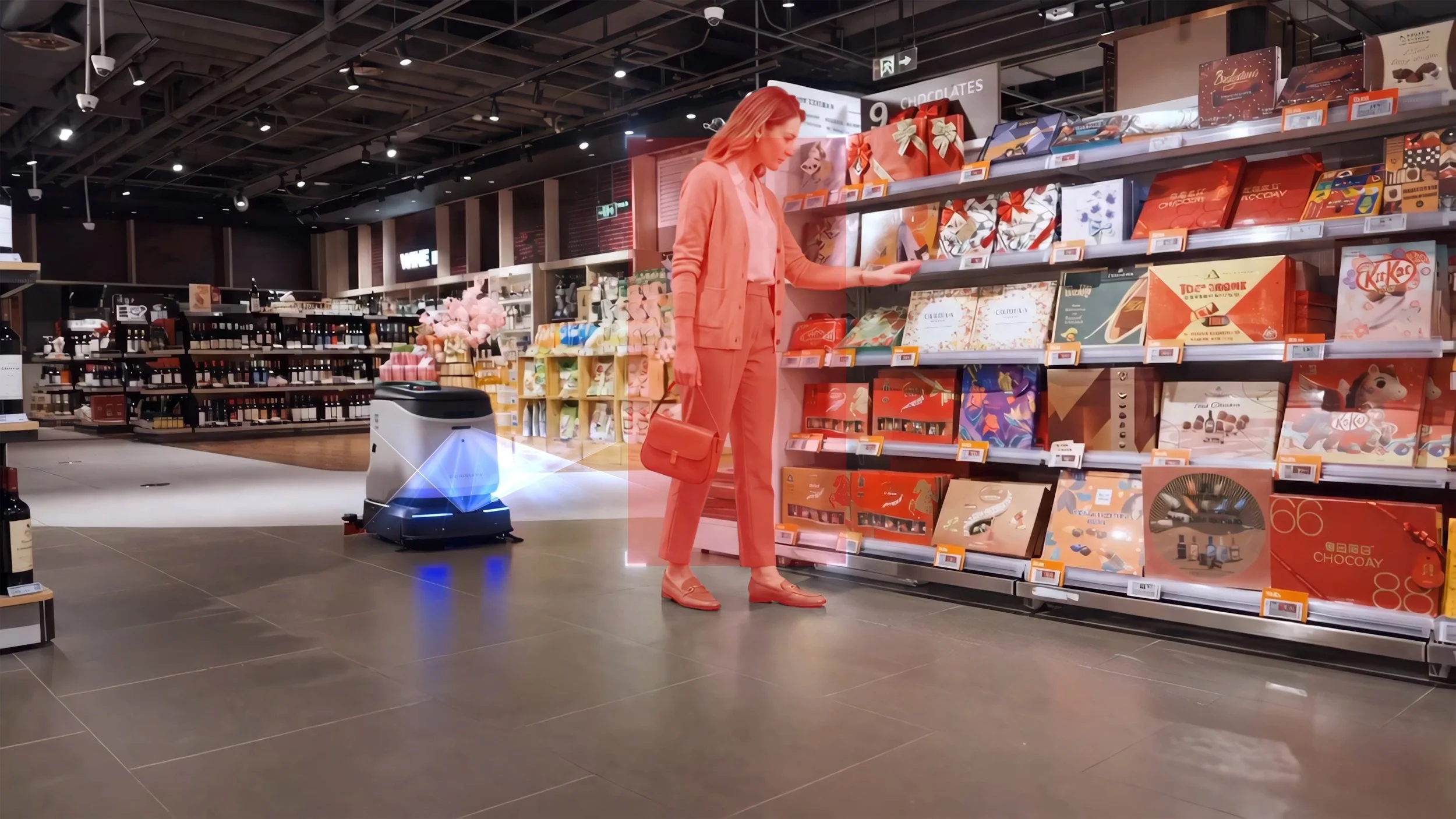
AI-powered navigation ensures stable operation during business hours. A 360-degree sensor system, automatic mapping and dynamic obstacle avoidance enable uninterrupted cleaning even in complex environments. After interruptions, the robot resumes cleaning automatically.
In addition, intelligent monitoring significantly increases efficiency. Proactive detection, autonomous planning and targeted cleaning optimize workflows and enable more precise use of resources.
For deep cleaning, the J36 combines dry and wet processes in a coordinated sequence. Coarse debris up to 30 × 30 × 10 mm is removed first, followed by wet scrubbing with precise water control. A suction power of 19 kPa ensures reliable results. The separation of dry and wet processes prevents clogging and improves operational stability. Thanks to its compact design, the robot can navigate aisles as narrow as 0.7 meters and delivers edge-to-edge cleaning.
Maintenance and operation are designed for simplicity. Wear parts can be replaced tool-free within seconds. The docking station automatically handles emptying, refilling, dosing and drying. Features such as wastewater odor control and automatic detergent supply further reduce maintenance requirements.
Industrial-grade reliability is supported by advanced sensor technology and certified safety standards. LiDAR-based navigation, multi-sensor systems and self-recovery functions ensure stable operation. The J36 complies with IEC 63327 and meets CE, FCC and GDPR requirements.
For retail chains, the J36 offers fast deployment and high scalability. Setup is quick via onboard HMI or tablet, no specialists required. A centralized platform enables remote control, monitoring and maintenance across multiple locations. IoT connectivity supports further integration, such as elevator access and facility systems.
The integrated data platform creates long-term value. Cleaning data is continuously collected and visualized, while OTA updates ensure ongoing system optimization.
The economic model is based on real operating conditions, using a time-based comparison between manual and automated cleaning. For a supermarket of up to 2,500 m², approximately 75 labor hours can be saved per month. This results in average monthly labor savings of €1,813, compared to robot-related costs of €495, yielding net savings of €1,318 per month.
Scaled to 100 stores, this equates to more than €1 million in annual OPEX reduction, with positive cash flow from the first month.
Beyond direct cost savings, the BIB-Robotic J36 offers additional strategic advantages. For example, digital displays generate additional advertising revenue. Furthermore, improved control of water and dirt reduces the risk of slip-and-fall accidents. At the same time, water and chemical consumption is reduced by more than 30 percent, supporting ESG goals for sustainable business practices in the areas of environment, social responsibility, and corporate governance.
The J36 demonstrates that autonomous cleaning is more than a technological upgrade, it is a key driver of efficiency, safety and competitiveness in retail.
For more information on this topic, visit https://www.bibrobotics.com/j36-professional-cleaning-robot/
Cleaning requirements in retail environments continue to increase, while high staff turnover, exceeding 100% in parts of Europe, makes workforce planning more difficult. At the same time, post-pandemic hygiene standards have risen, and manual cleaning processes carry higher liability risks. In decentralized store networks, a lack of transparency further complicates consistent quality control.
Press Contact
Manfred Eckermeier
mobile: +49 (0)170 7758241
e-mail: eck@bfconline.de
Download